You’re standing at the service counter, or maybe staring at a reminder sticker on your windshield that says you were due 1,200 miles ago, and the same question pops up that every driver has asked: how often do I actually need to change my oil? One shop says every 3,000 miles. Your neighbor swears he goes 10,000. Your owner’s manual buries the answer in a chart you’ve never opened. So what’s the real number?
Here in Champaign and Bloomington, where a single week can swing from a sub-zero January morning to a stop-and-go summer commute down Veterans Parkway, the honest answer is: it depends on your car, your oil, and how you drive. But “it depends” isn’t good enough when you’re trying to protect a car you rely on every day, so this guide gives you real numbers on how often to change oil, explains what actually shortens the interval, and helps you tell when you’re genuinely overdue.
The short version: most modern cars running full synthetic oil go 5,000 to 7,500 miles between changes, and some go up to 10,000. Older vehicles or those on conventional oil are closer to 3,000 to 5,000 miles. But “severe” driving conditions (which describe a lot of Central Illinois driving) can pull that number down. Your owner’s manual and your dashboard oil-life monitor are the final word.
Why the “Every 3,000 Miles” Rule Is Outdated
For decades, “every 3,000 miles” was gospel. It wasn’t wrong, for the engines and oils of the 1980s and ’90s. But two things changed: engines got more precisely engineered, and motor oil got dramatically better.
Today’s synthetic oils resist breakdown, hold up to heat, and keep engines cleaner far longer than the conventional oils that rule was built around. Most automakers now recommend intervals well beyond 3,000 miles (often 7,500 or even 10,000) for cars running full synthetic under normal conditions.
So why do you still see 3,000-mile stickers? Partly habit, and partly because more frequent changes mean more shop visits. A trustworthy shop won’t push you to change oil you don’t need to; it’ll point you to your manufacturer’s actual recommendation and adjust for how you really drive. When in doubt, the manufacturer’s number beats the sticker on the windshield every time.
The Real Answer: It Depends on Three Things
1. What kind of oil your car uses
- Full synthetic: the longest intervals, typically 7,500–10,000 miles. Most vehicles built in the last decade call for it.
- Synthetic blend: a middle ground, usually 5,000–7,500 miles.
- Conventional: the shortest, around 3,000–5,000 miles. Common in older or higher-mileage vehicles.
Using the wrong oil, or stretching conventional oil to synthetic intervals, is a fast way to sludge up an engine. If you’re not sure what your car takes, that’s an easy thing for us to confirm.
2. What your owner’s manual says
Every manufacturer publishes two maintenance schedules: normal and severe (sometimes called “special operating conditions”). Most drivers assume they fall under normal. In reality, a surprising number of us live in the severe column; more on that below. Your manual is the single most authoritative source for your specific engine.
3. How and where you actually drive
This is where Central Illinois comes in. The way you use your car changes how fast the oil wears out, and a lot of everyday local driving counts as “severe.”
Why So Much Central Illinois Driving Is “Severe”
It sounds dramatic, but “severe” service doesn’t mean off-roading or racing. It means the kind of driving that’s hard on oil, and it describes a huge share of ordinary local trips:
- Short trips under 10 miles, especially in cold weather. If you’re running kids to school across town or popping to the store, your engine may never fully warm up, which lets moisture and fuel build up in the oil.
- Stop-and-go traffic. Rush hour on Prospect Avenue or the daily crawl through campus counts.
- Extreme temperatures. Central Illinois delivers both: brutal January cold and humid summer heat that push oil harder in both directions.
- Towing or hauling. Boats to Clinton Lake, trailers, a loaded truck bed. All of it raises engine load and oil temperature.
- Dusty or gravel roads. Common on rural routes around the Twin Cities and out in the county.
If two or more of those describe your routine (and for most local drivers, they do), you should lean toward the shorter end of your manufacturer’s range. Here’s the part that surprises people: the light, low-mileage commuter that only ever sees short winter hops across town is often harder on oil than the highway car that racks up long, steady miles. Mileage alone doesn’t tell the whole story: the type of miles matters just as much, which is why two identical cars can need very different schedules.
Synthetic vs. Conventional: Is the Upgrade Worth It?
If your car doesn’t strictly require synthetic, is it worth paying more for it? For most Central Illinois drivers, yes, and the reason comes right back to our weather.
Synthetic oil flows better when it’s cold, which matters enormously on a January morning when the mercury is well below freezing and your engine is trying to pump thick, sluggish oil to its moving parts. Those first few seconds after a cold start are when most engine wear happens, and synthetic simply protects better in that moment. It also holds up to summer heat without breaking down as quickly, so it’s doing its job at both ends of our temperature swing.
Yes, a synthetic oil change costs more per visit. But because you’re going roughly twice as far between changes, the cost per mile often evens out, and you get better protection in the bargain. For an older engine that’s always run conventional oil, the switch isn’t always necessary, and we’re happy to give you a straight recommendation rather than an automatic upsell. The right answer depends on your specific vehicle, its mileage, and how you drive it.
How to Read Your Dashboard Oil-Life Monitor
Most cars built in the last 10–15 years have an oil-life monitoring system. This isn’t a simple mileage timer; the better ones actually estimate oil condition based on engine temperature, trip length, RPM, and driving habits. When it says 15% life remaining, it’s time to plan your change; at 0% or a wrench light, don’t wait.
A few things to know:
- Reset it after every change. If the monitor isn’t reset, it’ll give you bad readings. A good shop always resets it for you.
- It tracks oil life, not oil level. You still need to check your dipstick periodically, because a car can burn or leak oil between changes.
- Time matters too. Even if you barely drive, oil degrades. Most manufacturers say change it at least once a year regardless of mileage, so the car that sits all winter still needs attention.
Warning Signs You’re Overdue
Numbers and monitors are great, but your car will also tell you when it’s unhappy. Get an oil change sooner rather than later if you notice:
- Dark, gritty oil on the dipstick. Fresh oil is amber and smooth; old oil turns dark and feels gritty.
- A ticking or knocking engine noise. Old, thin oil doesn’t cushion moving parts as well, and you may hear it.
- The oil-change or check-engine light. Never ignore an actual warning light.
- A burning-oil smell in the cabin. Can mean the oil is old, low, or leaking onto hot components.
- You honestly can’t remember the last time. If it’s been over a year or you’ve lost track, it’s overdue.
What Happens If You Skip It Too Long
Oil is what keeps your engine’s metal parts from grinding themselves apart. As it ages, it thickens, collects debris, and turns to sludge that clogs passages and starves parts of lubrication. Push it far enough and you’re looking at accelerated wear, overheating, and (worst case) a seized engine and a repair bill that dwarfs years of oil changes.
There’s also the quieter cost most people don’t think about: fuel economy and performance. Fresh oil reduces the friction inside your engine, so a car running clean oil moves more efficiently than one dragging around a crankcase full of thick, dirty sludge. Skipping changes doesn’t just risk a catastrophic failure down the road; it costs you a little at the pump every single day in the meantime, and it can quietly chip away at your car’s resale value when a spotty service record scares off buyers.
The flip side is the good news: an oil change is one of the cheapest, highest-value things you can do for your car. Staying on schedule is genuinely the single best habit for making an engine last past 200,000 miles.
How to Never Lose Track Again
The hardest part of oil changes isn’t the service: it’s remembering to do it. A few simple habits keep you on schedule:
- Snap a photo of the windshield sticker after every change, so the date and mileage live in your phone.
- Set a calendar reminder for both a mileage estimate and a once-a-year date, whichever comes first.
- Keep a simple log in your glovebox, or let your shop keep your service history so you can just ask.
When we handle your service, we track your history for you, so next time you can simply call and ask when you’re due, and we’ll tell you without you having to dig through receipts.
Make It Easy: Get Your Oil Change in Champaign or Bloomington
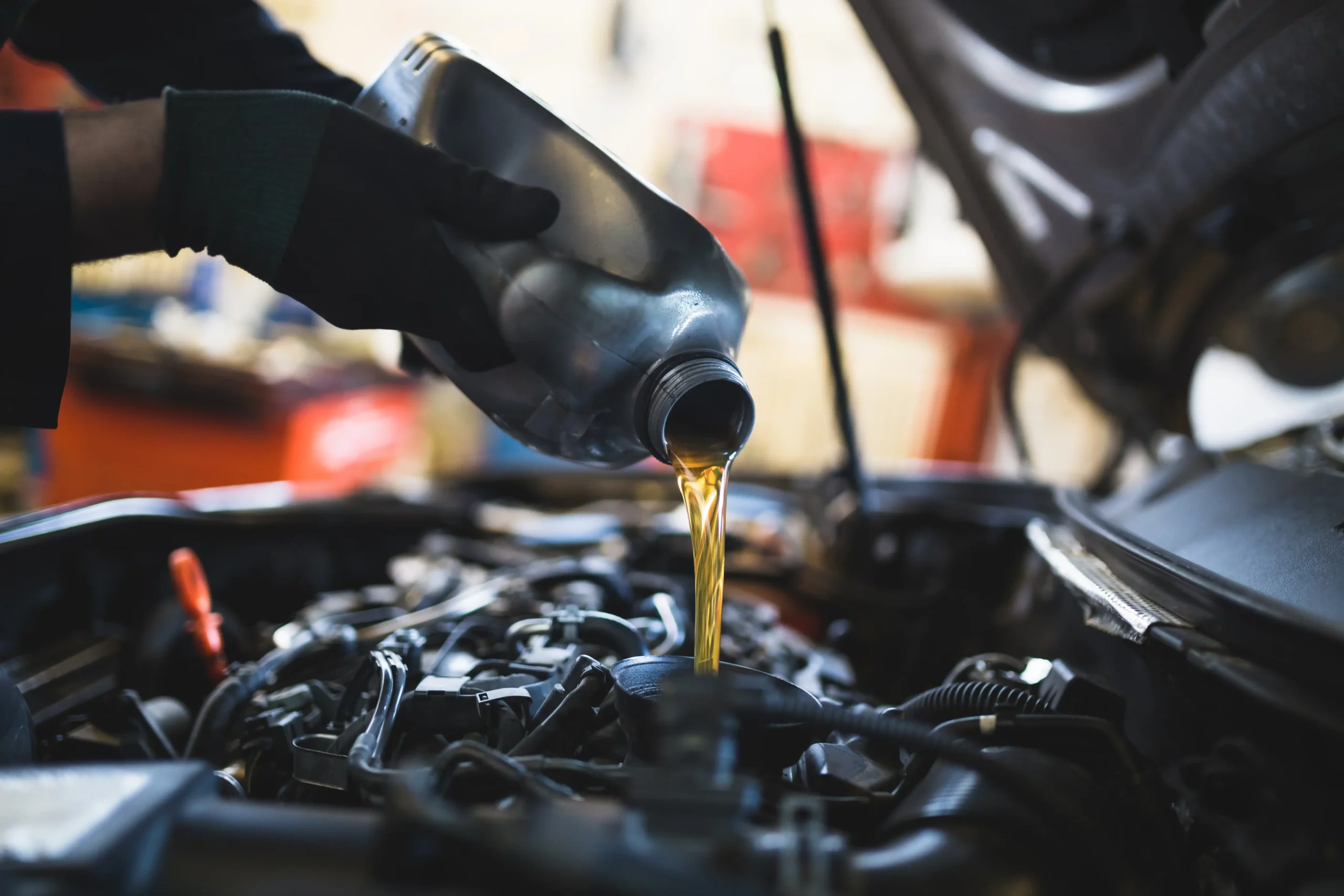
You don’t have to memorize charts or decode your manual alone. When you come in for an oil change in Champaign, IL or an oil change in Bloomington, IL, our technicians confirm the right oil for your vehicle, set the correct interval for how you actually drive, reset your oil-life monitor, and do a quick multi-point look-over while your car’s on the lift, so a small issue gets caught before it becomes a big one. It’s exactly the kind of visit people mean when they search “oil change near me” and want someone who’ll be straight with them.
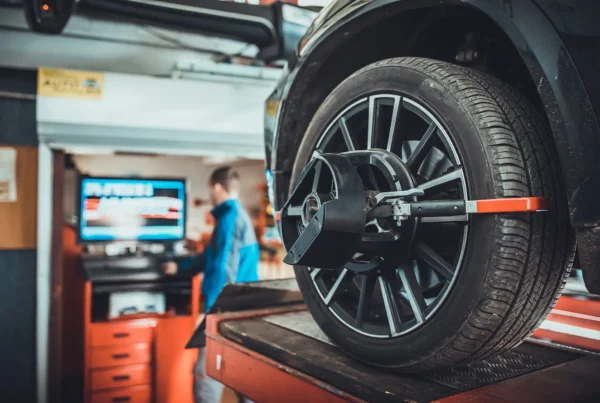
That’s also the perfect moment to check the maintenance items that wear on the same rhythm: the condition of your tires and how much life is left in your brakes, so you leave knowing exactly where your car stands.
If it’s been a while, don’t wait for the warning light. Schedule an appointment at Clay Dooley Tire & Auto today, and let’s keep your engine running strong through every Central Illinois season.